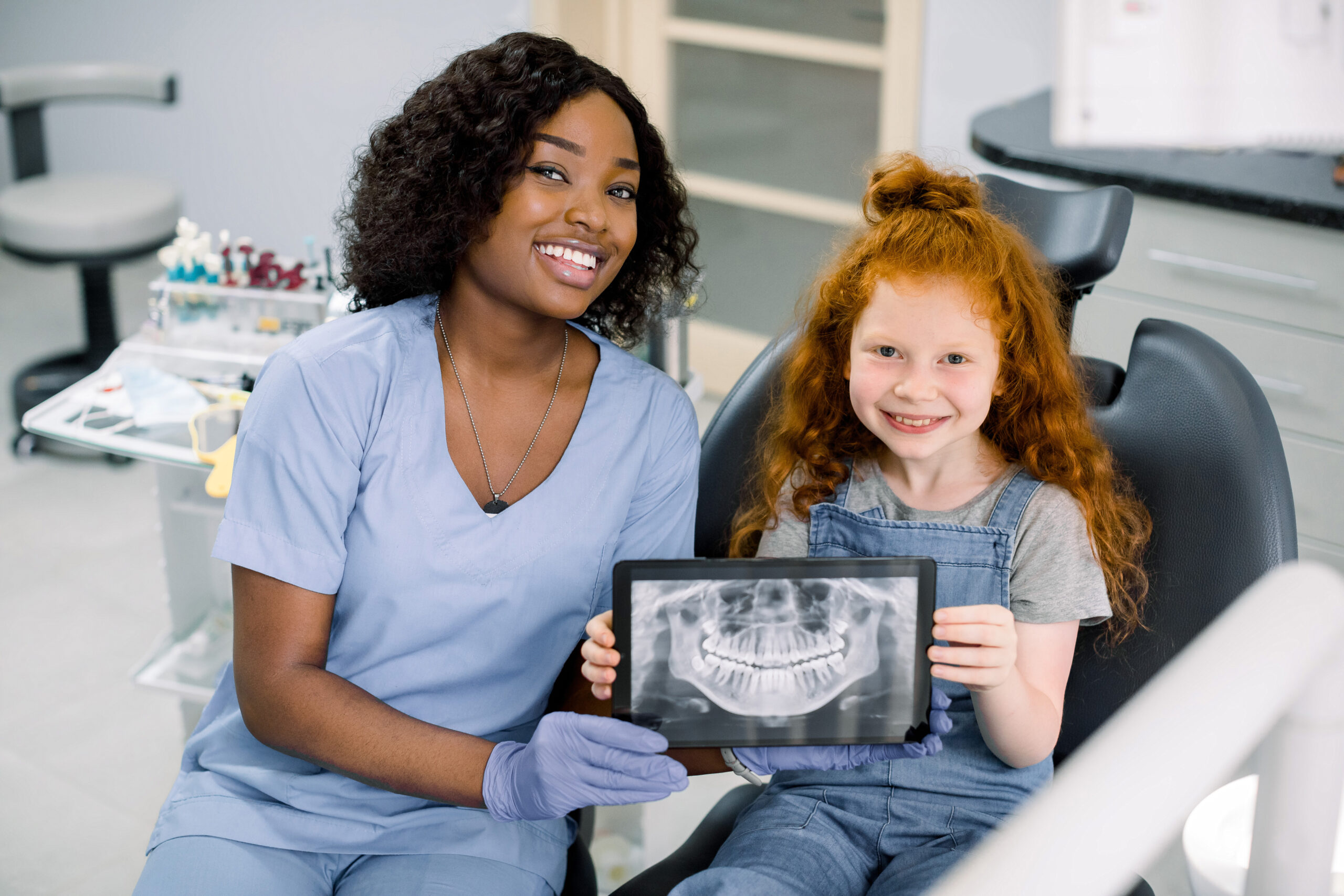
Why I Believe Preventative Care Matters
As a dental assistant, I see firsthand how small daily habits can make a huge difference in oral health over time. Many of the bigger dental problems I help treat could have been avoided with simple preventative care. I also see patients who feel surprised when an issue comes up because they were not in pain. That is why I believe education and consistency matter so much. Preventative dental care is not about perfection. It is about building habits that protect your smile for the long run.
Brushing the Right Way, Not Just Often
Most people know they should brush twice a day, but how you brush is just as important. Brushing too hard can wear down enamel and irritate gums, while brushing too quickly can miss plaque along the gumline.
Technique Makes a Difference
Using a soft bristle toothbrush and gentle pressure is best. Take your time and brush for a full two minutes. Make sure to reach the back teeth and brush along the gumline where plaque tends to build up. Switching out your toothbrush every three months also helps keep brushing effective.
Flossing Is Not Optional
I hear it all the time. Patients say they brush every day but rarely floss. Flossing removes plaque and food particles that a toothbrush cannot reach. When flossing is skipped, bacteria can build up between teeth and under the gums.
Start Small if You Need To
If daily flossing feels overwhelming, start with a few times a week and build from there. Consistency matters more than being perfect. Over time, flossing becomes quicker and easier, and your gums will thank you for it.
Regular Dental Visits Catch Problems Early
One of the biggest misconceptions I see is that you only need to see a dentist when something hurts. Many dental issues develop slowly and silently. By the time pain appears, the problem is often more advanced.
Routine cleanings and exams allow the dental team to spot early signs of cavities, gum disease, or other concerns. Treating issues early usually means less discomfort, less time in the chair, and lower costs.
What You Eat Affects Your Teeth
Diet plays a major role in oral health. Sugary snacks and drinks feed the bacteria that cause cavities. Acidic foods and beverages can weaken enamel over time.
Simple Nutrition Changes Help
Drinking water throughout the day helps rinse away bacteria and acids. Limiting sugary drinks and choosing snacks like fruits, vegetables, and cheese can support healthier teeth. You do not have to eliminate treats entirely. Balance and moderation go a long way.
Do Not Ignore Your Gums
Healthy gums are the foundation of a healthy smile. Bleeding, swelling, or tenderness in the gums are signs that something may be wrong. Gum disease can progress quietly and lead to more serious problems if left untreated.
Paying attention to gum health and mentioning any changes during dental visits helps prevent long-term damage.
Protect Your Teeth from Everyday Wear
Many people clench or grind their teeth without realizing it, especially during sleep. This habit can lead to worn enamel, jaw pain, and cracked teeth over time.
Night Guards and Awareness
If you notice jaw soreness or tooth sensitivity, mention it to your dental team. A night guard can protect your teeth from damage and relieve strain on your jaw. Small protective steps can prevent major issues later.
Oral Health Is Part of Overall Health
Your mouth is connected to the rest of your body. Inflammation and infection in the gums have been linked to heart disease, diabetes, and other health concerns. Taking care of your teeth and gums is part of taking care of your overall well-being.
Preventative Care Is a Long-Term Investment
Preventative dental care is not about doing everything perfectly every day. It is about building habits that support your health over time. Brushing, flossing, eating thoughtfully, and keeping regular dental appointments all work together to protect your smile.
From my perspective as a dental assistant, the patients who focus on preventative care experience fewer surprises and more confidence in their oral health. Small daily efforts add up, and your future smile will thank you for it.