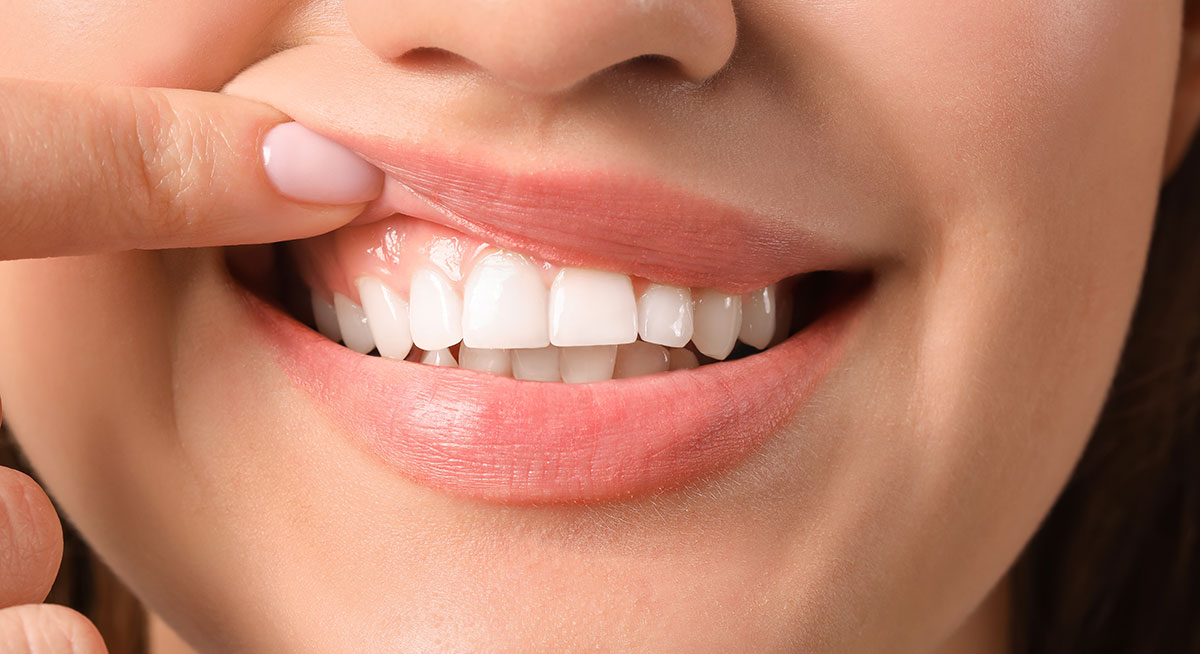
Your Gums Are More Than Just a Smile
As a dental assistant, I spend a lot of time looking closely at patients’ gums. Healthy gums are firm, pink, and fit snugly around your teeth. But gums do more than support your smile. They can also give important clues about your overall health. Changes in your gums may be an early sign of underlying conditions, which is why paying attention to them is so important.
Many people think oral health is separate from the rest of the body, but in reality, your mouth reflects your general well-being. In this blog, I will explain what your gums can reveal and how you can take steps to protect both your oral and overall health.
Signs of Gum Disease
Gum disease is one of the most common indicators that something is off in your oral health. Early-stage gum disease, called gingivitis, often causes redness, swelling, or bleeding during brushing or flossing. If left untreated, it can progress to periodontitis, a more serious condition that can lead to tooth loss.
How Gum Disease Connects to Overall Health
Research shows that gum disease is linked to several health problems, including heart disease, diabetes, and respiratory issues. Chronic inflammation in the gums can affect other parts of the body. This is why regular dental cleanings and proper oral hygiene are so important.
Changes in Color or Texture
Your gums should normally be a healthy pink color. Dark red, purple, or pale gums can signal underlying problems. Swollen or puffy gums often indicate inflammation or infection, while receding gums may expose sensitive tooth roots and suggest advanced gum disease.
When to See a Professional
Any noticeable changes in your gums should be evaluated by a dentist. Early intervention can prevent more serious oral problems and also alert you to potential health concerns that may require medical attention.
Gums and Heart Health
Studies have found a link between gum disease and heart disease. Inflammation in the gums can increase levels of bacteria in the bloodstream, which may contribute to clogged arteries or heart complications. While gum disease alone does not cause heart problems, it can be a warning sign to monitor your cardiovascular health more closely.
Taking Action
Maintaining healthy gums through brushing, flossing, and regular dental visits can reduce inflammation and support heart health. If you have gum disease and other risk factors, your dentist or doctor may recommend additional steps to protect your heart.
Diabetes and Gum Health
People with diabetes are more prone to gum disease because high blood sugar can weaken the immune system. In turn, severe gum disease can make it harder to control blood sugar levels. This two-way relationship means that paying attention to your gums is especially important if you have diabetes or are at risk.
Tips for Diabetic Patients
Consistent oral hygiene, regular dental checkups, and managing blood sugar levels are essential for keeping gums healthy. A strong partnership between your dentist and primary care doctor can help prevent complications.
Other Health Clues from Your Gums
Gums can also signal vitamin deficiencies or hormonal changes. Pale gums may indicate anemia, while bleeding or sensitivity can appear during pregnancy or menopause. Certain medications can also affect gum health, causing swelling or gum overgrowth.
Monitoring Your Oral Health
Keeping track of changes in your gums and discussing them with your dental team is an important habit. Even subtle shifts in color, texture, or bleeding patterns can provide early warnings about your overall health.
How to Protect Your Gums
The good news is that most gum problems are preventable with consistent care. Brushing twice a day with a soft-bristled toothbrush, flossing daily, and visiting the dentist for regular cleanings are the foundation of healthy gums. Eating a balanced diet rich in vitamins and minerals also supports gum health.
Small Changes Make a Big Difference
Avoiding tobacco, limiting sugary foods, and staying hydrated can strengthen your gums and reduce the risk of infection. If you notice early signs of gum disease, your dental team can provide treatments that restore health and prevent progression.
Final Thoughts
Your gums are more than just part of your smile. They can provide valuable insight into your overall health and help identify potential issues before they become serious. Redness, swelling, bleeding, receding gums, or changes in color can all be warning signs that deserve attention.
As a dental assistant, I encourage patients to take gum health seriously. By paying attention to changes, maintaining proper oral care habits, and visiting the dentist regularly, you can protect your teeth, gums, and overall well-being. Healthy gums support a healthy body and a confident smile, so make them a priority every day.
Your mouth truly is a window into your health. Listening to what your gums are telling you is one of the simplest and most effective ways to care for yourself inside and out.